
"coffee taste China"
10000 article(s) found

Looking forward to the development trend of coffee in China
1. Great potential for the development of the domestic coffee market after China's entry into WTO, China's economy is developing rapidly, people's living standards are constantly improving, and coffee is being accepted by more and more Chinese. Coffee is no longer just a drink, it is gradually closely linked with fashion and taste, or make friends and talk, or business talks, or leisure, in a cup of coffee filled with music.

China: is there coffee in the culture?
Coffee has entered the life of Chinese people. In China, people like to drink coffee more and more. Coffee culture, like Chinese tea art, has a long history. Each country has its own unique coffee culture, some pay attention to the quality and taste of coffee, some pay attention to the environment and atmosphere of drinking coffee, and some pay more attention to the etiquette and procedure of drinking coffee. Whether at home or in the office

Coffee consumption Culture-Why Starbucks can sell at high prices in China
The article holds that an important issue is culture. Since China opened its economy to the outside world and imported products from abroad in the late 1970s, these imports have gained some preference from image-conscious consumers. Wang Fei, a consultant in Washington, grew up in Wuhan. Traditionally, foreign products are thought to be better in workmanship, more tasteful and better, he said. People's society

Understand the development history of coffee in China
According to historical data, Taiwan's cultivation was successful for the first time in 1884. Coffee trees were planted in China, and coffee cultivation on the continent began in Yunnan. In 1902, seeds were introduced by a French missionary named Tian in Yingong, Binchuan County, Yunnan Province. it was successfully planted in a place called Zhu Kula, which is located on the bank of the Yushan River, a tributary of the Jinsha River. The commercial cultivation of coffee in Yunnan began in 1985, but it has grown.

Chinese people fall in love with coffee foreign coffee chains are growing rapidly in China
The picture of a Starbucks store in China comes from a report by foreign media on December 30 that many foreign brands and business models from Best Buy to B & Q have encountered a Waterloo in China. However, the Western retail concept of foreign coffee shops, which was perhaps the least likely to succeed, has flourished in China. According to a report on the Financial Times website on December 29,

A miracle of China's coffee industry
Coffee is the world's second largest internationally traded commodity after oil.

The History and Cultural cultivation of Coffee in China
The history and culture of coffee in China the world-famous coffee bean producing areas are: blue Mountain Coffee, Jamaica is the national treasure of Coffee Coffee; Colombian Coffee is produced in Colombia, roasted beans; Brazilian Coffee is produced in Brazil, with a wide variety; Italian Coffee is produced in Europe, with strong aroma and strong bitterness; Manning Coffee is produced in Sumatra, Indonesia.
2014 China (Guangzhou) International Coffee Industry Expo
With the rapid development of China's economy, coffee, as a healthy drink with unique taste, is deeply loved by consumers, especially middle-aged and young people.
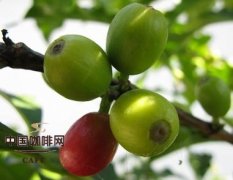
History of Coffee Development in China
According to historical records, planting in Taiwan was successful for the first time in 1884. Since then, coffee trees have been planted in China. Coffee planting in Daliu began in Yunnan Province. In 1902, a French missionary named Tian introduced seeds from India and Gong, and planted them successfully in Binchuan County, Yunnan Province, located in Zhukula, a tributary of Jinsha River. Commercial cultivation of Yunnan coffee began in 1985, but the development was slow.
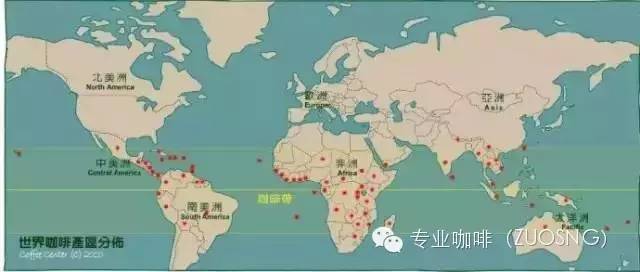
The Historical Progress of Coffee in China: how did Coffee enter China?
The history of coffee introduced into China is not long, and it was not until 1884 that coffee was first planted in Taiwan. In the mainland, the earliest coffee cultivation began in Yunnan. At the beginning of the 20th century, French missionaries brought the first batch of coffee saplings to Binchuan County, Yunnan Province, and coffee began to be grown on the mainland. In terms of natural conditions, many parts of our country, Latin America, South America, India and India
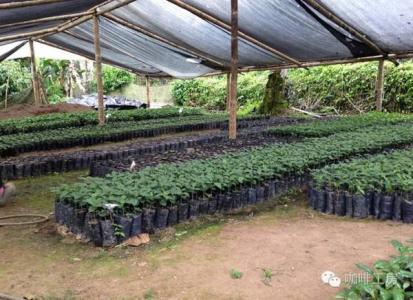
Analysis on the present situation of the spread and Development Market of Coffee in China
Analysis on the current situation of Coffee Communication and Development Market in China in terms of natural conditions, many parts of China are very close to Latin America, South America, India, Indonesia and other places, and have congenital conditions for coffee planting. however, the traditional culture and living customs restrict the development of coffee in China. Until recent years, as more coffee has entered the lives of ordinary Chinese people,

History of Coffee the Development History of Coffee in China
According to historical data, Taiwan's cultivation was successful for the first time in 1884. Coffee trees were planted in China, and coffee cultivation on the continent began in Yunnan. In 1902, seeds were introduced by a French missionary named Tian in Yingong, Binchuan County, Yunnan Province. it was successfully planted in a place called Zhu Kula, which is located on the bank of the Yushan River, a tributary of the Jinsha River. The commercial cultivation of coffee in Yunnan began in 1985, but it has grown.
African Coffee's slow Journey to China
Coffee originated in Africa and little is known about it. In fact, Africa Ethiopia is the hometown of coffee, producing the best Arabian coffee in the world. Soil, climatic conditions and an altitude of more than 2000 meters above sea level have enabled many African countries to create an ideal environment for the growth of coffee.

The Chinese began to prefer coffee and American media: attracted by the Western way of life
Core tip: industry insiders say that China's coffee consumption is growing at an annual rate of 15%, while the global average rate is 2%, so China is the fastest growing coffee market in the world.

When was coffee introduced into China? Spread and Development of Coffee in China
The word coffee comes from the Greek word Kaweh, which means strength and enthusiasm. Coffee tree is an evergreen shrub of Capsaceae. Daily coffee is made from coffee beans combined with a variety of cooking utensils, and coffee beans refer to the nuts in the fruit of coffee trees, which are then roasted with appropriate roasting methods. In ancient China, Shennong tasted all kinds of herbs and recorded them one by one.

Cafes have sprung up all over China. Chinese people like to drink milk coffee and are disgusted with the soil.
Core tip: industry insiders say that China's coffee consumption is growing at an annual rate of 15%, while the global average rate is 2%, so China is the fastest growing coffee market in the world.

The earliest Coffee planting sites in China an introduction to the Coffee Farm production areas in Yunnan
An introduction to the development of China's coffee industry the starting point of the development of China's coffee industry low coffee has not been planted in China for a short time, but Chinese people have not had a long history of drinking coffee (except Shanghai). Up to now, it is mainly instant coffee. Comparatively speaking, Chinese people almost completely lack common sense about coffee. As a result,

On the History of Coffee in China
According to historical records, coffee trees were first planted in Taiwan in 1884, and coffee cultivation in mainland China began in Yunnan. In 1902, a French missionary named Tian introduced seeds from Yinggong County in Binchuan County, Yunnan Province. it was successfully planted in a place called Zhu Kula, which is located on the bank of the Yushan River, a tributary of the Jinsha River. The commercial cultivation of coffee in Yunnan began in 1985, but its development is slow.
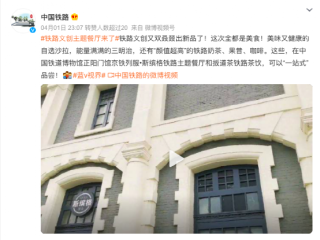
Wow! China Railway also "get off" to open restaurants, milk tea, coffee shops?!
Since the Chinese Postal Officer announced the opening of cafes, people have paid more and more attention to some state-owned enterprises and time-honored brands involved in catering. Nowadays, even the Chinese railway has begun to sell milk tea! The official Weibo of China Railway announced on April 1 that its railway cultural creation-themed restaurant opened in Zhengyang Gate Hall of China Railway Museum.

2016 China (Guangzhou) International Coffee Industry Expo
Exhibition Name: 2016 China (Guangzhou) International Coffee Industry Expo Exhibition Date: 2016.06.29-2016.07.01 Exhibition Hall: Guangzhou Pazhou Canton Fair Complex [Exhibition Introduction] With the rapid development of China's economy, the per capita income level has increased significantly, and people are pursuing higher quality of life and better living standards. Coffee is a unique taste of health drinks, deeply loved by consumers